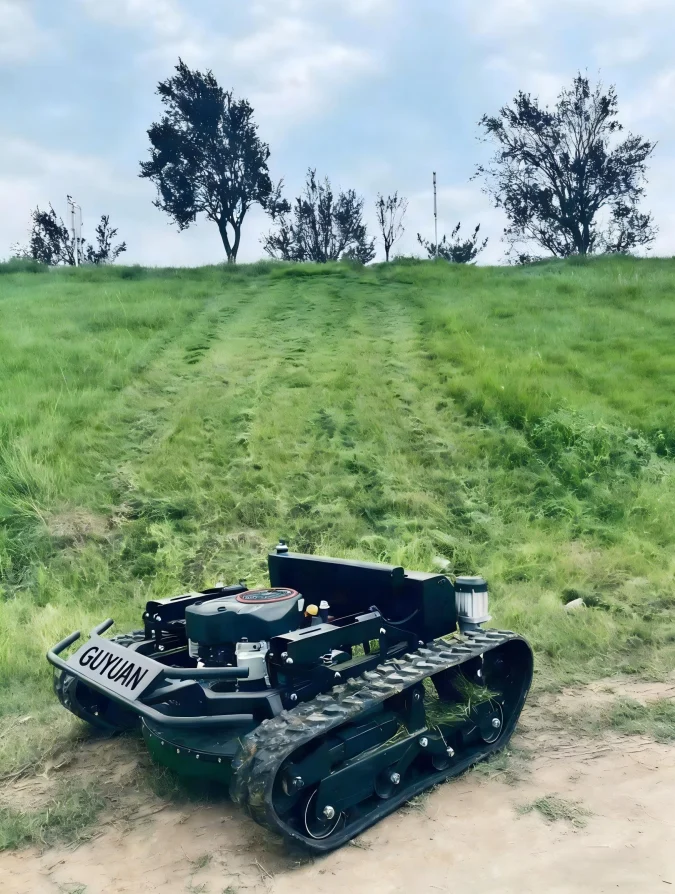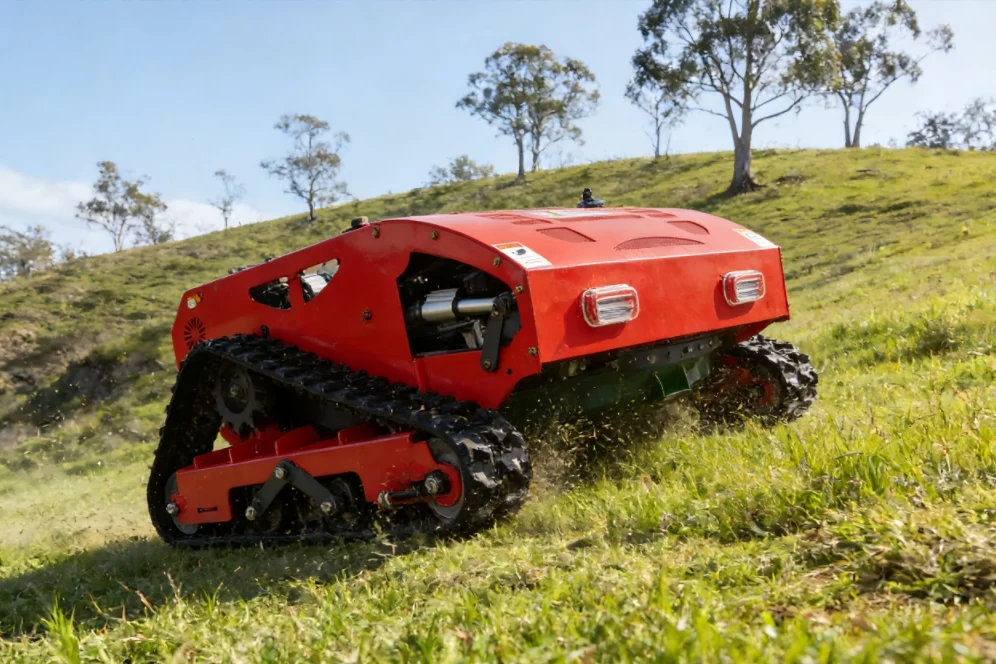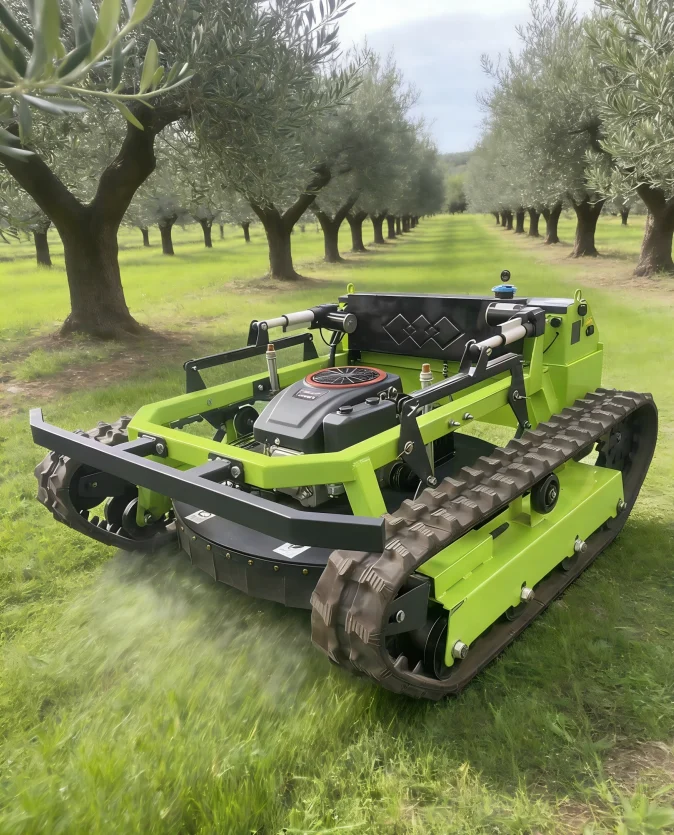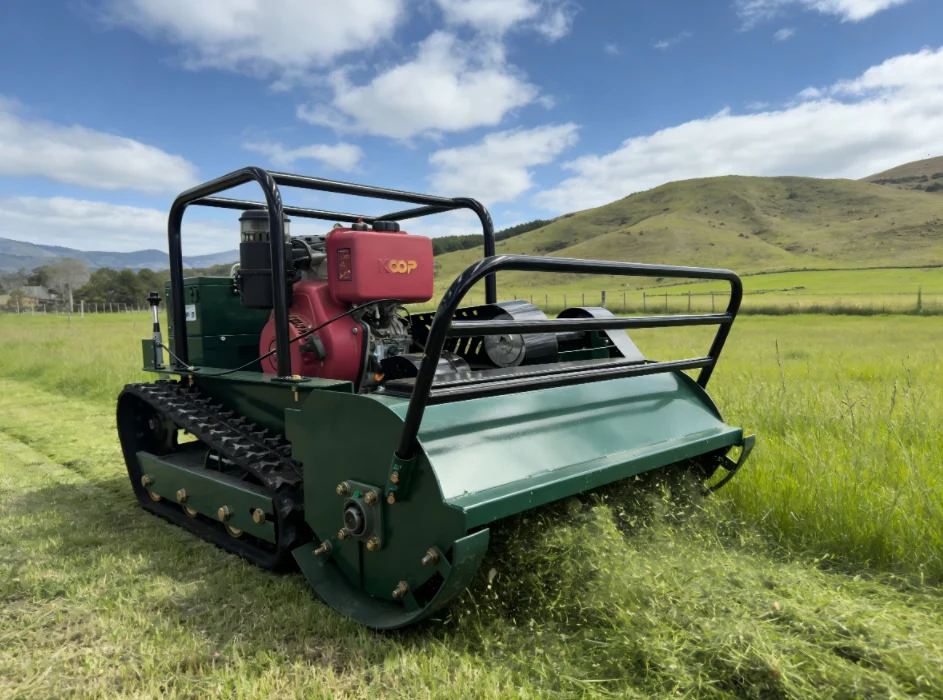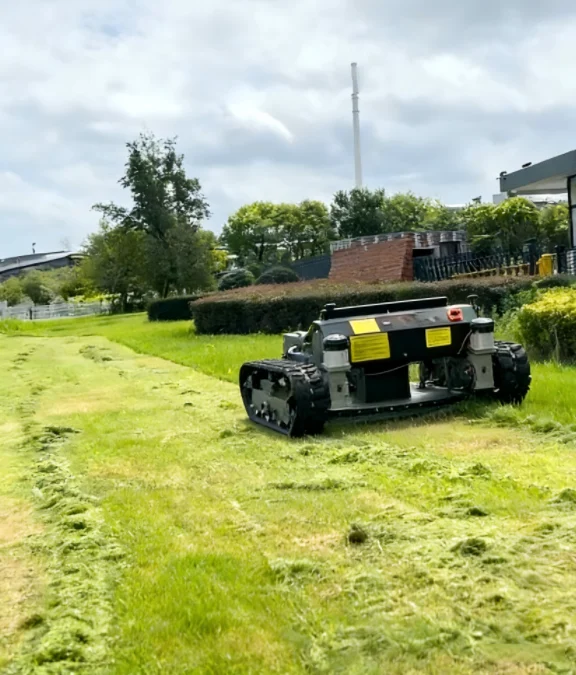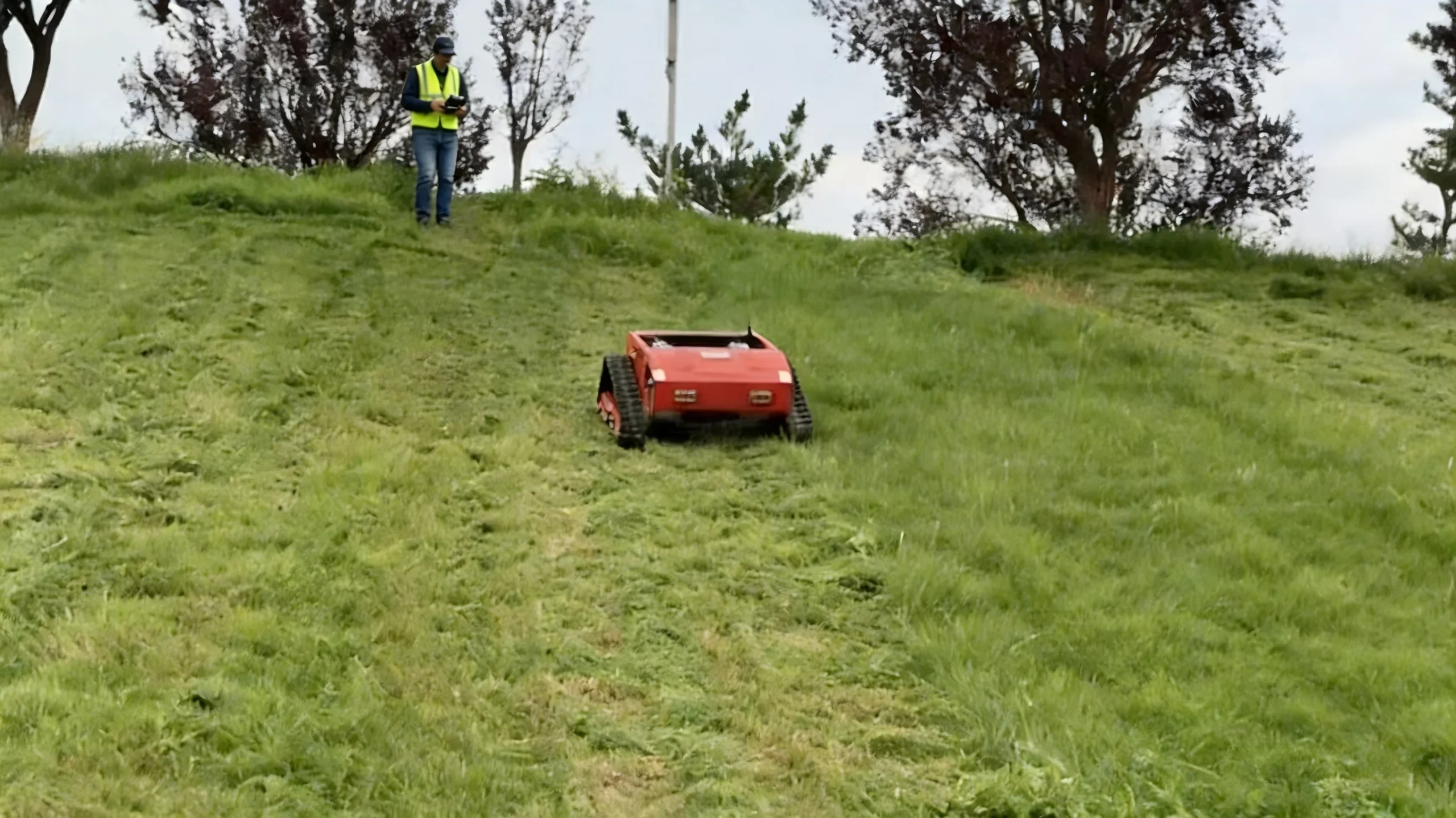
In recent years, the global landscaping and agricultural maintenance sector has faced severe challenges from labor shortages and rising labor costs. Industry analysis reports indicate that traditional methods relying on manually carried lawnmowers or ride-on tractors are no longer sufficient to meet the growing market demand in terms of efficiency and safety, especially in high-temperature summer operations or maintenance of complex terrain, where labor shortages have become commonplace. Against this backdrop, intelligent, unmanned, remote-controlled lawnmowers are rapidly emerging as a new favorite in the industry. The biggest advantage of these devices is the separation of human and machine operation; operators can remotely control the machine from a safe area hundreds of meters away, completely eliminating safety hazards such as rollovers on slopes, heatstroke, or cuts from sharp objects. Currently, mainstream remote-controlled lawnmowers on the market are segmented for different scenarios. For scenarios requiring extremely high lawn smoothness, such as urban parks and golf courses, the **flat-blade remote-controlled lawnmower, with its precise cutting effect, has become an ideal alternative to traditional ride-on lawnmowers; while for extensive operations such as large-area wasteland clearing and roadside weed removal, the more powerful rotary-blade (also known as the flick-blade) model demonstrates higher efficiency. Industry experts predict that within the next 3-5 years, remote-controlled lawnmowers will become standard equipment for professional landscape maintenance teams.